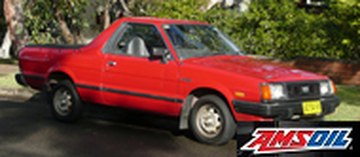
Maintaining Lubrication Standards for the 1981 Subaru BRAT 1.8L
Proper engine care for a vehicle like the 1981 Subaru BRAT 1.8L involves more than just periodic fluid changes; it requires an understanding of how aging mechanical components interact with modern lubricants. The EA81 engine is a central component of this vehicle's operation, and maintaining its internal cleanliness through consistent oil service is a fundamental aspect of long-term ownership.
Monitoring Fluid Integrity and Potential Leaks
As vehicles age, the integrity of various seals and gaskets can change due to thermal cycling and the natural degradation of rubber and composite materials. For an owner of a 1981 Subaru BRAT, regular visual inspections are a practical way to monitor the health of the engine bay. Rather than waiting for a significant loss of fluid, proactive observation can help identify minor issues before they escalate.
When performing routine checks, look for signs of seepage around sealing surfaces. This might appear as dark, oily residue or dampness on the exterior of engine components. If you notice any evidence of fluid leakage, it warrants a closer inspection to determine the source. Additionally, checking the condition of various hoses and connections can be beneficial. While these components are subject to many variables, ensuring they remain pliable and free of cracks is a key part of general engine bay maintenance.
It is also useful to observe the appearance of the oil itself during a dipstick check. While some discoloration is normal as oil accumulates contaminants over time, significant changes in texture or an unusual smell can be indicators that the lubricant has reached the end of its effective service life. If you notice any unexpected mechanical noises or changes in how the engine operates, these should be investigated promptly, as they may be related to lubrication levels or quality.
Prioritizing Maintenance Based on Current Condition
For many owners of classic or older vehicles, the challenge lies in deciding where to focus time and resources. Instead of following a rigid schedule based solely on the age of the vehicle, a more effective strategy is to prioritize maintenance based on the actual, observed condition of the 1981 Subaru BRAT 1.8L.
If you are stepping into ownership of this vehicle without a complete service history, your first priority should be establishing a maintenance baseline. This involves performing a thorough inspection of all vital fluids and components to understand the current state of the engine. Once a baseline is established, you can better distinguish between necessary repairs and routine preventive maintenance.
Effective long-term ownership often involves:
- Reviewing available records: Even partial information regarding past oil changes or component replacements can provide valuable context for current needs.
- Addressing active concerns first: If there is visible seepage or a noticeable change in fluid consumption, these issues should take precedence over other non-critical tasks.
- Monitoring trends: Keeping a simple log of when oil is added or when certain components are inspected allows you to spot patterns that might indicate a developing issue.
Understanding the Role of Engine Lubrication
The engine oil in the 1.8L EA81 engine performs several vital roles that are essential for mechanical operation. Beyond simply reducing friction between moving parts, the lubricant acts as a medium for heat management by carrying thermal energy away from high-temperature areas within the engine block. This helps to maintain more stable operating temperatures during various driving conditions.
Furthermore, the oil serves as a cleaning agent. As it circulates, it picks up microscopic particles and combustion byproducts that would otherwise settle and form deposits. Modern lubricants are engineered with specific additives designed to keep these contaminants in suspension so they can be captured by the oil filter. Maintaining high lubricant quality is therefore essential for preventing the buildup of sludge and ensuring that internal components remain free of restrictive deposits.
Managing Aging Components and Seals
When maintaining a vehicle from the early 1980s, it is important to recognize that materials like gaskets and various rubber-based seals may behave differently than they did when the vehicle was new. Some high-mileage oil formulations contain additives intended for use in aging engines, including seal-conditioning additives that may help maintain the pliability of certain components.
However, it is important to approach these products with a practical mindset. While some formulations are designed to assist with older seals, they are not a substitute for addressing significant mechanical failures or widespread leaks. If you observe evidence of significant seepage, the most reliable course of action is to identify the specific component at fault rather than relying solely on chemical additives. Regular inspections of accessible belts and electrical connections also ensure that the engine's supporting systems remain in good working order.
Effective Record Keeping for Long-Term Care
One of the most overlooked aspects of maintaining a 1981 Subaru BRAT is the habit of documentation. For an older vehicle, having a clear history of what has been done—and when—is invaluable. This includes not just oil changes and filter replacements, but also observations made during routine inspections.
Documenting the specific products used, such as the type of oil and the brand of filter, helps ensure consistency in future service. If you notice that the engine requires more frequent top-offs of a certain fluid, recording these instances can help a mechanic diagnose potential issues more accurately. A well-maintained history transforms maintenance from a reactive process into a proactive management strategy, which is particularly beneficial for sustaining the longevity of an older engine.
Practical Advice for Buying Engine Oil for your 1981 Subaru BRAT 1.8L
When you are ready to replenish your engine's lubricant, it is essential to select a product that aligns with the specific requirements of your application. To ensure the best results for your 1981 Subaru BRAT 1.8L, match the engine oil to the application-specific viscosity information shown above on this page.
Before making a purchase, consider the following steps:
- Verify the Label: Always check the product packaging to ensure it meets the appropriate API service classifications for your needs.
- Evaluate Formulations: Depending on your engine's current condition and your driving habits, you may choose between conventional oil, synthetic blends, or full synthetic options. If the engine shows signs of significant age, you might also consider high-mileage formulations that include seal-conditioning additives.
- Avoid Assumptions: Do not rely on general knowledge about older vehicles to select a grade; always refer back to the specific viscosity information provided in the application data for this exact vehicle.